
How to Price Your Fashion Services Correctly

How to Price Your Fashion Services Correctly INTRODUCTION: What Freelancing Is — and What It Is Not What Freelancing Is Freelancing means offering your professional skills and expertise to clients on a project-by-project or retainer basis, without being a permanent employee of any single organisation. As a freelancer, you are running a business — even if it is a business of one. Freelancing in Nigeria’s fashion and creative industry includes: fashion styling, pattern making, production consulting, brand strategy, photography, HR consulting, sourcing, content creation, export consulting, and fashion business support, among others. What Freelancing Is Not It is not employment. You are not entitled to employer-provided benefits, and you are responsible for your own taxes and business expenses. It is not casual favour-doing. Professional freelancers work to contracts, deliver to deadlines, and charge market rates. It is not a side hobby. If you want to be taken seriously and paid well, you must behave as a professional business owner at all times. It is not undefined. Your services must be specific, clearly scoped, and priced with intention. THE NIGERIAN FREELANCE REALITY: The creative and fashion freelance market in Nigeria is growing — but it is still maturing. Many clients will attempt to negotiate heavily, ask for discounts, or request ‘exposure’ in place of payment. This guide helps you set and hold professional rates while still winning and retaining the right clients. Should You Freelance? A Skill Audit First Before you offer services professionally, audit your readiness. Freelancing is not the right move for everyone at every stage. Answer these questions honestly: AUDIT QUESTION WHAT TO ASSESS Do I have demonstrable expertise? Can you show completed work to a potential client? Portfolio matters above all else. Do I have 2+ years of relevant experience? Clients pay premium rates for proven practitioners, not students of the craft. Can I scope and cost a project clearly? If you can’t describe what you will deliver and by when, you are not ready to freelance. Can I handle client communication professionally? Emails, invoices, contracts, feedback calls — all must be handled with professionalism. Do I have a financial cushion? Freelance income is irregular. You need 3 months of living expenses saved before relying on it. Can I manage my own time without supervision? No manager means no structure unless you create it. Self-discipline is a business requirement. Honest Rule: If you answered ‘no’ to more than 2 of the above, spend 6–12 more months building your experience before going fully freelance. Use that time to shadow, apprentice, or work in a brand first. Roles Best Suited to Freelancing in Fashion & Creatives Some roles are naturally freelance-compatible in Nigeria’s fashion ecosystem. Others typically require full-time employment to develop properly. Here are the roles most suited to successful freelancing: Fashion Stylist Inherently project-based. Editorial, commercial, and personal styling are all freelance-compatible from early in a career. The key differentiator is portfolio quality and client network. Fashion Photographer Project-based by nature. Build a niche (editorial vs. product vs. campaign) and a clear pricing structure. Strong social media presence drives inbound clients in Nigeria. Brand / Business Support Consultant Suitable for experienced professionals (5+ years) who have run or supported fashion businesses. Clients include small-to-medium fashion brands seeking strategy, brand identity, or operational support. Pattern Maker Freelance pattern making is in high demand in Nigeria. Brands outsource to reduce fixed costs. Experienced pattern makers with speed and accuracy can build a strong freelance business. Production / Sourcing Consultant Typically requires 5+ years of experience before freelancing. Clients trust only proven operators with established supplier networks. HR / Talent Consultant Growing need as fashion SMEs professionalise. Best suited to professionals with formal HR training or 3+ years of people management experience. Content Creator (Fashion) One of the fastest-growing freelance categories. Suited from earlier in a career if portfolio is strong. Many brands prefer content creator retainers over full-time social media hires. Export & Trade Consultant Specialist and niche. High earning potential for those with documentation expertise and international trade knowledge. Usually requires prior employment in the space. How to Be Professional and Get Hired Build a Portfolio Before You Pitch No portfolio means no credibility. If you are transitioning from employment to freelance, compile your best work immediately. If you are starting out, take on 2–3 low-cost or pro-bono projects specifically to build portfolio pieces. Define Your Service Clearly Do not say ‘I do fashion.’ Say: ‘I am a Lagos-based editorial fashion stylist specialising in womenswear for beauty brands and music artists.’ The more specific your positioning, the easier it is for clients to hire you. Have a Contract for Every Project Always work from a written agreement — even for small projects. It should include: scope of work, deliverables, timeline, payment terms, revision policy, and what happens if the project scope changes. A WhatsApp message is not a contract. Invoice Professionally Use a professional invoice format with: your name and contact, the client’s name and contact, a unique invoice number, itemised services, the total amount, bank details, and payment due date. Free tools like Wave, Canva, or Google Docs work fine. PRICING FORMULA YOUR MINIMUM RATE = (Monthly Living Costs + Business Costs + Profit Margin + Tax) ÷ Billable Hours Per Month Rate Calculator — Fill In Your Numbers Monthly rent / accommodation ₦ _______________ Food and groceries ₦ _______________ Transport (work-related) ₦ _______________ Phone, data and communications ₦ _______________ Health / medical provision ₦ _______________ Personal savings target ₦ _______________ Business tools, apps and subscriptions ₦ _______________ Equipment maintenance / replacement fund ₦ _______________ Marketing and portfolio costs ₦ _______________ Professional development / training ₦ _______________ SUBTOTAL — Monthly Cost Base ₦ _______________ Desired profit margin (recommend 25–35%) ₦ _______________ Tax provision (10–15% of total income) ₦ _______________ TOTAL MONTHLY TARGET INCOME ₦ _______________ Estimated billable hours per month (suggest 100–120) ₦ _______________ YOUR MINIMUM HOURLY RATE ₦ _______________ 2026 Benchmark Rates — Nigerian Creative &
2026 Fashion Salary Guide

2026 Fashion Salary Guide About This Guide This guide provides comprehensive salary benchmarks for 12 key fashion roles across Nigeria. It is intended for both talent (to negotiate fairly) and employers (to benchmark competitively). All figures are monthly gross salary in Nigerian Naira (₦), reflecting 2026 market intelligence gathered across Lagos, Abuja, and Port Harcourt. Lagos salaries are typically 20–30% higher than figures for equivalent roles in other cities. Freelance and contract rates differ from the permanent employment figures in this guide. Understanding the Three Levels Entry Level — 0 to 3 Years of Experience An entry-level professional is in their first 0–3 years in a fashion role. They are building practical skills under supervision, learning the industry, and developing a professional track record. Education: Degree, diploma, vocational certificate, or completed industry bridge programme Experience: 0–3 years in the role or closely related area Supervision: Works under direct management with guidance on most tasks Skills: Core technical skills beginning to develop; may still require significant training Output: Task-focused; contributes to projects rather than leading them Mid Level — 3 to 7 Years of Experience A mid-level professional has 3–7 years of demonstrable experience, operates with significant independence, and is capable of managing aspects of a project or junior team members. Education: Relevant qualification plus consistent professional development Experience: 3–7 years in role or related function, with demonstrable results Supervision: Works with minimal day-to-day supervision; escalates only on significant decisions Skills: Strong technical and commercial skills; emerging leadership capability Output: Project-led; owns and delivers work end-to-end Senior Level — 7+ Years of Experience A senior professional has 7+ years in their field, leads teams or functions, influences strategy, and is accountable for measurable business outcomes. Their expertise has market value that commands premium compensation. Education: Relevant degree or equivalent; ongoing professional development expected Experience: 7+ years with a clear track record of impact at increasing levels of responsibility Supervision: Manages others; operates at a strategic level; accountable to leadership Skills: Deep technical expertise combined with commercial acumen and leadership capability Output: Leads functions, teams, or business areas; drives results beyond their immediate role Salary Benchmark Table — 12 Key Roles ROLE ENTRY (0–3 YRS) MID (3–7 YRS) SENIOR (7+ YRS) Fashion Designer ₦80,000–120,000 ₦200,000–350,000 ₦500,000–1,000,000+ Pattern Maker / Technical Designer ₦60,000–100,000 ₦150,000–250,000 ₦350,000–600,000 Fashion Buyer ₦100,000–150,000 ₦250,000–450,000 ₦600,000–1,200,000 Merchandiser / Range Planner ₦80,000–130,000 ₦200,000–380,000 ₦500,000–900,000 Production Manager ₦120,000–180,000 ₦300,000–500,000 ₦700,000–1,500,000 Brand / Marketing Manager ₦100,000–160,000 ₦280,000–480,000 ₦650,000–1,200,000 Retail Store Manager ₦80,000–140,000 ₦200,000–380,000 ₦450,000–800,000 Fashion Photographer ₦70,000–120,000 ₦180,000–350,000 ₦500,000–1,000,000+ Wardrobe Stylist ₦60,000–100,000 ₦200,000–400,000 ₦600,000–1,500,000+ HR / People Manager ₦100,000–150,000 ₦250,000–420,000 ₦550,000–950,000 E-commerce Manager ₦90,000–140,000 ₦220,000–400,000 ₦500,000–1,000,000 Quality Control Specialist ₦70,000–110,000 ₦180,000–320,000 ₦400,000–750,000 Nigerian Government Policy & Employment Law National Minimum Wage The Nigerian National Minimum Wage Act (2019) sets a minimum monthly wage of ₦30,000. As of 2024, this was revised to ₦70,000 per month following tripartite negotiations between the federal government, employers, and the Nigeria Labour Congress. All fashion employers in Nigeria are legally required to pay at or above this minimum. Compliance: Paying below the national minimum wage is illegal in Nigeria and exposes employers to penalties under the National Minimum Wage Act. All fashion businesses — regardless of size — must comply. Pension Contributions — Pension Reform Act (2014) Under Nigeria’s Pension Reform Act, every organisation with 15 or more employees is required to operate a Contributory Pension Scheme. Employers contribute a minimum of 10% of each employee’s monthly emolument, and employees contribute a minimum of 8%. Fashion brands growing beyond 15 people must register with a licensed Pension Fund Administrator (PFA) and comply. Employee Compensation Act (2010) This Act governs workplace injury compensation and requires employers to register with the Nigeria Social Insurance Trust Fund (NSITF). Fashion businesses — particularly those with production or manufacturing operations — are legally required to register and make contributions on behalf of employees. Personal Income Tax (PITA) — Amended 2011 Employers are required to deduct Pay-As-You-Earn (PAYE) tax from employees’ salaries and remit monthly to the relevant State Internal Revenue Service. Tax rates range from 7% to 24% depending on income level. Non-compliance attracts penalties. Salary Increment Framework Salary increases should not be arbitrary — they should be driven by performance, time in role, and market movement. Use this framework to structure your approach: INCREMENT TYPE WHEN TO APPLY RECOMMENDED INCREASE TRIGGER CONDITIONS Annual Cost-of-Living Increase Once per year (January or anniversary month) 5–10% for all staff Automatic for employees meeting or exceeding expectations Performance-Based Increase After quarterly review — annually reviewed 10–20% above base Consistently exceeding KPIs for 2+ consecutive quarters Promotion Increase On promotion to next level 20–40% above previous salary Moving from entry to mid, or mid to senior, with competency evidence Retention Increase When a valued employee is at flight risk 15–30% market realignment Market intelligence shows employee is underpaid vs market Role Change Adjustment Market intelligence shows employee is underpaid vs market Reviewed case by case Formal scope expansion confirmed by updated role description SALARY REVIEW RULE: Review your salary structure against this guide and the Nigerian labour market at minimum once per year. Employees who feel underpaid don’t stay silent — they resign. The cost of replacing a mid-level employee in Nigeria’s fashion industry (recruitment, training, productivity loss) is typically 2–4x their monthly salary. Beyond Salary: Other Compensation to Consider Salary increases should not be arbitrary — they should be driven by performance, time in role, and market movement. Use this framework to structure your approach: BENEFIT WHAT IT IS IMPACT Health Maintenance Organisation (HMO) Health insurance coverage for employee (and family for senior staff) High impact on retention; relatively low cost per employee Transport Allowance Fixed monthly contribution to commuting costs Particularly valued in Lagos. ₦10,000–30,000/month is standard Training & Development Budget Annual allocation for courses, events, or certifications Signals investment in the employee; builds loyalty and skills Performance Bonus Annual or quarterly bonus tied to company and individual performance Directly motivates output; reinforces performance culture Flexible Working Remote days, flexible hours, or compressed
How to Build an HR System for Your Fashion Brand

Why Your Fashion Business Needs an HR System Most fashion businesses run on personal relationships, WhatsApp groups, and informal agreements. That works when your team is 2 people. It breaks down — often painfully — when you reach 5, 8, or 15. An HR system does not have to be complex. It needs to be consistent. ‘Productive teams don’t run on autopilot. They run on clear systems.’ — Obsidian Advisory Africa Step 1: Define Every Role Clearly Every person in your business should have a written role description. Use the template below. ROLE DESCRIPTION — FILL IN ALL FIELDS Job Title —————————————— Department / Team —————————————— Reports To —————————————— Employment Type Full-time / Part-time / Contract / Freelance Monthly Salary Range ₦ _____________ to ₦ _____________ Probation Period 3 months / 6 months / Other: _____ Responsibility 1 —————————————— Responsibility 2 —————————————— Responsibility 3 —————————————— Responsibility 4 —————————————— Responsibility 5 —————————————— KPI 1 ___________________________ KPI 2 ___________________________ KPI 3 ___________________________ Skills Required ___________________________ Step 2: Build a Consistent Hiring Process ROLE DESCRIPTION — FILL IN ALL FIELDS ACTION TIMING 1. Job Post Write clear JD. Post on Instagram, LinkedIn, WhatsApp groups, and Bridge Institute talent board Week 1 2. Screening Review applications. Shortlist top 5–8 using defined criteria Week 2 3. Skills Assessment Set a practical task relevant to the role. Evaluate output objectively Week 2–3 4. Interview Structured 45-min interview. Same questions for every candidate Week 3 5. Background Check Verify previous employment, call references, check credentials Week 3–4 6. Reference Call Call at least one former employer with specific questions Week 3–4 7. Offer Letter Written offer with terms, salary, probation details, and start date Week 4 Step 3: Onboarding — Detailed Checklist The first 30 days determine whether a new hire integrates or struggles. Use this checklist for every new team member. Assign each item to a responsible person. PRE-ARRIVAL (Before Day 1) ✓ TASK RESPONSIBLE ☐ Send written offer letter and get signed copy back MD / HR ☐ Prepare workstation, tools, and equipment Operations ☐ Set up email account and system access IT / Operations ☐ Add to relevant WhatsApp groups, drives, and platforms Line Manager ☐ Brief existing team on new hire’s role and start date Line Manager ☐ Prepare Day 1 schedule and share with new hire in advance HR / Line Manager ☐ Assign an onboarding buddy from the existing team HR / Line Manager ☐ Prepare 90-day probation goals document Line Manager DAY 1 — Welcome & Orientation ✓ TASK RESPONSIBLE ☐ Welcome meeting with MD or senior leader — company story, mission, values MD / Founder ☐ Introduce to every team member by name and role Line Manager ☐ Physical or virtual tour of workspace, production areas, and key spaces Line Manager ☐ Confirm workstation, laptop, and tools are working Operations ☐ Hand over welcome pack: org chart, team contacts, brand overview doc HR ☐ Walk through company policies: attendance, communication, dress code, social media HR ☐ Sign and return all required employment documents HR ☐ Share 90-day probation goals and discuss expectations Line Manager ☐ End-of-day check-in: how was Day 1? Any immediate questions? Buddy / Manager WEEK 1 — Role Integration ✓ TASK RESPONSIBLE ☐ Detailed walkthrough of current projects and priorities Line Manager ☐ Introduction to key external stakeholders (suppliers, clients, partners) Operations / Manager ☐ Introduction to brand identity: archives, lookbooks, brand voice guidelines Creative Lead ☐ Shadow at least one team member per department (if applicable) Buddy ☐ Hand over welcome pack: org chart, team contacts, brand overview doc HR ☐ Attend at least one internal meeting to observe team dynamics Line Manager ☐ End-of-week check-in: what’s clear? what needs more support? Line Manager WEEKS 2–4 — Growing Contribution ✓ TASK RESPONSIBLE ☐ Begin contributing to real projects with manager support Line Manager ☐ Identify any skills gaps and agree training plan Line Manager / HR ☐ Buddy check-ins at least twice per week Buddy ☐ Shadow at least one team member per department (if applicable) Buddy ☐ Begin tracking progress against 90-day probation goals Line Manager ☐ Attend team meeting as a contributing participant (not just observer) Line Manager ☐ Formal 30-day check-in: performance, integration, and wellbeing Line Manager END OF MONTH 1 ✓ TASK RESPONSIBLE ☐ Formal 30-day review: probation goals check-in, feedback exchange HR / Line Manager ☐ Confirm any adjustments to role scope or support plan Line Manager ☐ Update employee on any company news or changes since start date MD / HR ☐ Confirm next formal review is scheduled (6 weeks and end of probation) HR Step 4: Run Quarterly Performance Reviews Use the Performance Appraisal Toolkit (Documents 13–16 of this series) to run structured quarterly reviews. Step 5: Exit Interview Template When a team member leaves, conduct a structured exit interview within their last week. Exit data is one of the most valuable sources of honest feedback your business will ever receive. Use this template consistently. PURPOSE OF THE EXIT INTERVIEW To understand the real reason(s) for departure, identify any systemic issues in culture, management, or compensation, and improve your practices for future team members. This is not a negotiation session — it is a learning conversation. EXIT INTERVIEW TEMPLATE — FILL IN DURING / AFTER SESSION Employee Name —————————————— Role / Job Title —————————————— Date of Exit Interview —————————————— Last Working Day —————————————— Interviewer —————————————— Destination (if known) New job / Freelance / Relocation / Personal / Preferred not to say QUESTION EMPLOYEE RESPONSE (Interviewer Notes) What is your main reason for leaving? —————————————— What did you most enjoy about working here? —————————————— What did you find most challenging about your role? —————————————— How would you describe the management style you experienced? —————————————— Did you feel your skills were fully used and valued? —————————————— Was your compensation fair for your role and contribution? —————————————— Was there anything about our culture that concerned you? —————————————— What could we have done to retain you? —————————————— What would you change
Common Hiring Mistakes Fashion Businesses Make

Introduction These mistakes appear repeatedly in Nigerian fashion businesses of all sizes — from solo founders making their first hire to established brands building management teams. Recognising them is the first step to fixing them. This document functions as a self-audit tool. Before your next hire, read through each mistake and honestly assess whether it applies to your current practice. MISTAKE 1: Hiring Based on Personal Relationships Your cousin or close friend may be talented. But hiring without a proper process creates accountability problems that are very hard to manage. When performance issues arise and they will the personal relationship complicates every conversation. THE FIX: Run every candidate, regardless of connection, through your standard hiring process. If they are truly the best candidate, the process will confirm it and give both parties a fair foundation. MISTAKE 2: No Thorough Background Due Diligence Fashion brands routinely skip background checks on new hires not verifying previous employment claims, checking references properly, or confirming professional credentials. This can result in hiring people whose stated experience is fabricated or exaggerated. THE FIX: Verify every key claim on the CV. Call at least one previous employer. Check LinkedIn for consistency. For senior roles, consider a formal background check service. MISTAKE 3: No Technical Skill Assessment In fashion, skills are practical. Many candidates present well in interviews but cannot actually execute the role. Hiring a designer without testing their design skills, or a pattern maker without reviewing their patterns, is a critical error. THE FIX: Build a practical skills test into your hiring process for every technical role. For designers: a brief. For pattern makers: a test block. For operations roles: a scenario exercise. The assessment reveals truth that interviews cannot. MISTAKE 4: Unclear Job Descriptions When the role is not clearly defined, success criteria are not defined either. The employee guesses what’s expected. You’re disappointed by the gaps. Both feel frustrated. This is entirely preventable. THE FIX: Write a clear role description with 5–8 specific responsibilities and 3 measurable KPIs before advertising any role. Use the template in Document 06 of this toolkit. MISTAKE 5: Skipping Reference Checks A 10-minute call with a previous employer can save you 6 months of managing a problem hire. Reference checks are consistently underused in Nigerian fashion businesses. THE FIX: Call at least one former employer. Ask specific questions: What were they best at? What were their gaps? Would you hire them again? Take notes. MISTAKE 6: Underpaying and Expecting Excellence Paying below market rate and expecting top performance is a contradiction. You will either attract underqualified candidates, or attract overqualified people who quickly disengage. THE FIX: Use the 2026 Fashion Salary Guide to benchmark every offer. Compensation that matches the role’s value attracts candidates who value the role. MISTAKE 7: No Comprehensive Onboarding Many fashion brands send new hires straight to work on day one with no structured introduction to the brand, the team, the tools, or the role. Poor onboarding leads to early confusion, slower productivity, and higher dropout within the first 90 days. THE FIX: Use the full onboarding checklist in Document 06 of this toolkit. Structured onboarding is not a luxury — it is the cheapest investment you can make in a new hire’s success. MISTAKE 8: No Goals Set for Probation A 3-month probation without clear targets is a missed opportunity. If you cannot articulate what success looks like at the end of probation, you cannot make a fair decision at its conclusion. THE FIX: On or before start date, share a written 90-day probation plan with 3–5 specific, measurable goals. Review progress formally at 6 weeks. Decide clearly at 3 months: confirm, extend, or end. MISTAKE 9: No Employee Learning Support Fashion is a fast-moving industry. Brands that do not invest in their team’s ongoing development find that talent stagnates, morale drops, and good people leave for organisations that do invest in them. THE FIX: Build learning into your culture: allocate a training budget per employee per year (even ₦20,000–50,000), share industry articles, and give team members time to attend industry events. Connect with the Bridge Institute for structured training options. MISTAKE 10: Hiring for Now, Not for Growth Hiring someone who fits your current size but cannot grow with the business means you will be rehiring for a more senior version of the same role within 18 months. This is expensive and disruptive. THE FIX: In interviews, ask growth-oriented questions: ‘Where do you see your career in 3 years?’ ‘What is the most complex problem you have solved at work?’ Look for ambition and learning orientation. MISTAKE 11: Over-Relying on One Person If one team member leaving would collapse your operations, you have a structure problem — not just a personnel risk. Knowledge trapped in individuals is one of the biggest operational risks for fashion SMEs. THE FIX: Document every key process. Cross-train team members. Build systems that can survive the departure of any individual. Pre-Hire Audit Checklist Before making your next hire, confirm all of these: Written role description with specific KPIs exists Salary benchmarked against market rate Practical skill assessment designed and ready Structured interview with consistent questions prepared At least 2 candidates to compare Reference check call planned in advance Written offer letter template ready 90-day probation plan with clear targets written Onboarding checklist prepared and ready for Day 1 Background and credentials verification planned Every hire shapes your company culture. A great hire builds your team. A bad hire made carelessly costs time, money, morale, and often drives other good people out the door.
What Nigerian Fashion Employers Are Looking For in 2026

Introduction This guide is based on direct conversations with fashion brand founders, HR managers, and creative directors across Lagos, Abuja, and Port Harcourt. It reflects what employers are actually prioritising when they hire — not just what job descriptions say, but what influences final decisions and long-term retention. Understanding what employers truly want gives you a significant advantage in your search and career development. Use this document to audit yourself honestly before your next application. PART ONE: What Every Employer Looks For Reliability & Consistency Showing up on time, meeting deadlines, and communicating proactively are rarer than talent in Nigeria’s fashion industry. Tight production timelines mean a reliable person who delivers is worth more than a brilliant one who doesn’t. Willingness to Learn Employers want people who actively invest in their own growth — not just when it’s required, but as a default habit. This includes taking feedback without defensiveness, enrolling in courses voluntarily, and staying current with industry trends. A learner’s mindset signals long-term value. Minimum 18–24 Months Commitment Fashion businesses invest significantly in onboarding and training. Candidates who demonstrate stability ideally with 18–24 months of sustained experience at previous roles are significantly preferred. Frequent job-hopping under 12 months is a red flag unless there is clear justification. Ownership & Proactive Problem-Solving Employers consistently distinguish between people who wait to be told what to do and people who identify problems and move to solve them. Fashion SMEs in particular need team members who take ownership not just of their tasks, but of outcomes. If the fabric is wrong, they don’t wait. If a client is unhappy, they act. Digital Fluency Whether in design, production, or retail, basic digital skills are expected: professional email, Google Drive, spreadsheets, and industry-specific tools. Digital ignorance is increasingly a disqualifier, especially as brands grow into e-commerce and export markets. Business Awareness The best candidates understand that fashion is a business. They think about margins, timelines, customer satisfaction, and commercial impact — not just aesthetics. Employers notice when a candidate can link their work to revenue and growth. Professional Communication How you write emails, present ideas, and respond to feedback speaks to your professionalism. Communication skills are quiet career differentiators and quiet career killers when absent. EMPLOYER VOICE: ‘I can train technical skills. I cannot train someone to be reliable, take initiative, or care about the business. Those things come with the person.’ — Lagos Fashion Brand Founder PART TWO: Skills Employers Will Pay a Premium For Beyond the baseline qualities above, certain specific skills command measurable salary premiums in Nigeria’s fashion industry in 2026. These are not commonly available which is exactly why they are valuable. Grant & Funding Application Skills Fashion brands seeking growth capital, government support, or NGO partnerships need people who can write compelling funding applications. This is rare and commands a significant premium. Relevant for: brand managers, operations leads, founders. Business Operations Fashion brands seeking growth capital, government support, or NGO partnerships need people who can write compelling funding applications. This is rare and commands a significant premium. Relevant for: brand managers, operations leads, founders. Sourcing Fabric sourcing, trim sourcing, export-compliant materials procurement, and supplier relationship management. Critical for production quality and cost control. Relevant for: buyers, production managers, designers. Marketing & Brand Strategy Campaign planning, social media management, performance marketing, brand positioning. As brands professionalise, integrated marketing becomes a senior function. Relevant for: brand managers, marketing leads Export, Customs & International Trade Campaign planning, social media management, performance marketing, brand positioning. As brands professionalise, integrated marketing becomes a senior function. Relevant for: brand managers, marketing leads Customer Acquisition & Retention Customer journey mapping, CRM, loyalty programme design, and retail customer experience. Growing brands need people who understand the full customer lifecycle. Relevant for: retail managers, customer experience leads, e-commerce managers. CLO3D / Digital Pattern Making 3D garment design and digital sampling. Reduces cost dramatically. Commands 20–40% salary premium. Relevant for: designers, pattern makers, product developers. PREMIUM SKILL SALARY PREMIUM ESTIMATE MOST RELEVANT ROLES Grant & Funding Applications +15–25% above base Brand Manager, Operations Lead Business Operations Systems +20–30% above base COO, Operations Manager Fabric & Raw Material Sourcing +15–20% above base Buyer, Production Manager Digital Marketing / Performance +15–25% above base Brand Manager, Marketing Lead Export & International Trade +20–35% above base Operations, Commercial Roles Customer Acquisition & CRM +15–25% above base Retail Manager, E-commerce Lead CLO3D / Digital Sampling +20–40% above base Designer, Pattern Maker PART THREE: The 18–24 Month Rule Nigerian fashion employers consistently flag one of their biggest frustrations: high turnover in the first 12 months. Employees leave for marginal salary increases, before they have fully developed or added strategic value. Employers are now increasingly screening for stability signals during interviews. They look for candidates who stayed in previous roles for at least 18–24 months — long enough to go from learning to contributing to leading. Short tenures are not automatically disqualifying, but they require explanation. FOR CANDIDATES: If you have short tenures, prepare a compelling explanation that focuses on what you learned and why the move was strategic not reactive. Focus on trajectory, not frequency. PART FOUR: Interview Preparation Checklist Research the brand thoroughly: collections, social media, pricing, recent news Prepare 5 specific achievements with measurable outcomes from your experience Prepare 3 thoughtful questions for the interviewer — not about salary on a first interview Dress aligned with the brand’s aesthetic — demonstrate you understand their world Arrive early. Punctuality is noticed and remembered. Follow up with a professional thank-you email within 24 hours If rejected, ask for feedback — and actually use it. EMPLOYER VOICE: ‘I can train technical skills. I cannot train someone to be reliable, take initiative, or care about the business. Those things come with the person.’ — Lagos Fashion Brand Founder
Fashion Value Chain Roles

Fashion Value Chain Roles How to Use This Guide This document is a comprehensive reference for every significant role in Nigeria’s fashion value chain. It is designed for two audiences: Talent: to understand what a role requires, what skills to build, and what career progression looks like Employers: to write accurate job descriptions, assess candidates fairly, and structure roles correctly Each entry includes: a clear job title, a concise job description, a skills list, and qualification / experience level guidance. Use it alongside the 2026 Salary Guide for complete hiring and career planning intelligence. This guide covers 7 stages of the fashion value chain and 30+ individual roles. It reflects Nigeria’s fashion industry structure and is updated for 2026. DESIGN & PRODUCT DEVELOPMENT Fashion Designer Job Description: Responsible for conceiving and creating original garment and accessory designs. Develops concept boards, sketches, and final design specifications for production. Key Skills: Creative ideation, technical sketching (hand and digital), CLO3D, Adobe Illustrator, trend analysis, fabric knowledge, design briefs, communication with pattern makers and production team. Entry / LevelEntry: Diploma/degree in Fashion Design or equivalent. Mid: 3+ years with portfolio.Senior: 7+ years, proven brand-level experience. Technical Designer Job Description: Bridges design and production by translating creative designs into technically precise specifications for manufacturing. Creates and manages tech packs. Key Skills: Garment construction knowledge, pattern understanding, tech pack creation, Adobe Illustrator, CLO3D, quality measurement, production communication, problem-solving under pressure. Entry / LevelEntry: Degree in Fashion Technology or equivalent. Mid: 3–5 years in technical design or pattern making.Senior: 7+ years managing product development. Pattern Maker / Grader Job Description: Creates precise physical or digital patterns from technical specifications. Grades patterns across size ranges and ensures accuracy for production. Key Skills: Pattern drafting (manual and digital), CLO3D or similar, garment fitting and adjustment, size grading, fabric calculation, production accuracy, attention to detail. Entry / LevelEntry: Vocational training in pattern making or equivalent.Mid: 3+ years with diverse category experience. Senior: 7+ years, able to train and manage pattern room. Print & Textile Designer Job Description: Designs surface patterns, prints, and embellishments for fashion products. Works with fabric development teams or external mills. Key Skills: Print design (Adobe Illustrator, Photoshop), colour theory, repeat pattern creation, knowledge of print techniques (screen, digital, block), cultural and trend awareness. Entry / LevelEntry: Degree or equivalent in textile or surface design. Mid: 3+ years applied across brands. Senior: 7+ years with category ownership. PRODUCTION & MANUFACTURING Production Manager Job Description: Manages the end-to-end garment production process from order to delivery. Coordinates vendors, factory, QC team, and logistics to meet timeline and quality standards. Key Skills: Production planning, vendor management, quality control, timeline management, cost management, supplier relationships, reporting, problem-solving, team leadership. Entry / Level: Entry: Degree in Fashion Technology, Operations, or equivalent. Mid: 3–5 years in production. Senior: 7+ years managing multi-vendor production operations. Quality Control Specialis Job Description: Inspects and ensures all garments meet specified quality standards before delivery. Documents defects, escalates non-conformances, and works with production to resolve issues. Key Skills: Quality inspection techniques, defect identification, measurement accuracy, documentation, knowledge of quality standards (ISO, buyer standards), communication of findings. Entry / Level: Entry: Vocational training or HND in fashion/textiles. Mid: 3+ years in QC across categories. Senior: 7+ years, able to set quality standards and train teams. Sample Room Manager Job Description: Oversees the creation of prototype garments from technical specifications. Manages sample makers, coordinates fit sessions, and ensures samples meet design intent. Key Skills: Garment construction, sample room operations, fit assessment, communication between design and production, team management, attention to detail, timeline adherence. Entry / Level: Entry: Skilled sewing operator with pattern understanding. Mid: 3+ years in sample room. Senior: 7+ years, managing sample room as a function. Sewing / Garment Technician Job Description: Constructs garments using industrial or specialist sewing equipment according to specifications. The core skill of the production floor. Key Skills: Industrial sewing machine operation, stitch types and applications, garment assembly, seam finishing, following technical specifications, speed and accuracy. Entry / Level: Entry: Vocational training in sewing. Mid: 3+ years with diverse category experience. Senior: 5+ years — can train others and handle complex construction. BUYING, MERCHANDISING & PLANNING Fashion Buyer Job Description: Selects, sources, and negotiates the purchase of product ranges for retail, wholesale, or brand supply. Balances trend, commercial performance, and customer demand. Key Skills: Range planning, trend analysis, supplier negotiation, WSSI management, commercial analysis, relationship management, decision-making under pressure. Entry / Level: Entry: Degree in Fashion Business, Merchandising, or equivalent. Mid: 3–5 years buying experience. Senior: 7+ years with P&L responsibility for a range. Merchandiser Job Description: Manages the financial performance of product ranges, ensuring the right product is in the right place at the right time in the right quantity at the right price. Key Skills: WSSI management, intake planning, sell-through analysis, OTB management, data analysis, reporting, cross-functional communication, Excel/data tools. Entry / Level: Entry: Graduate with strong numeracy. Mid: 3–5 years in merchandising. Senior: 7+ years managing category P&L. Range Planner Job Description: Develops the strategic architecture of a product range in alignment with commercial targets and trend direction. Works closely with buyer and designer. Key Skills: Range building, commercial analysis, trend intelligence, WSSI, financial planning, cross-functional collaboration, brand strategy understanding. Entry / Level: Entry: Related degree with commercial awareness. Mid: 3+ years in range planning or merchandising. Senior: 7+ years owning range strategy. BRAND, MARKETING & COMMUNICATIONS Brand Manager Job Description: Develops and protects the brand’s identity, positioning, and voice across all consumer touchpoints. Leads brand strategy and ensures consistency. Key Skills: Brand strategy, positioning, consumer insight, campaign planning, creative briefing, budget management, stakeholder management, market analysis. Entry / Level: Entry: Degree in Marketing or related. Mid: 3–5 years in brand management. Senior: 7+ years owning brand direction. Marketing Manager Job Description: Plans and executes marketing campaigns across digital and physical channels to drive brand awareness and commercial performance. Key Skills: Campaign management, digital marketing (social, SEO, email), performance analytics, budget management, agency briefing, reporting. Entry / Level: Entry: Degree in Marketing with digital literacy. Mid:
How to Write a Fashion & Creative Industry CV

How to Write a Fashion & Creative Industry CV Why This Guide Is Different Most CV guides are written for corporate roles. This one is written specifically for Nigeria’s fashion and creative industry — where portfolios matter more than degrees, where practical experience often trumps formal qualifications, and where cultural fit with a brand’s aesthetic is a real selection criterion. A fashion CV in Nigeria must do three things immediately: show you understand the industry, show you can deliver results, and make a visually clean impression. Anything less loses the opportunity. The Fashion CV — What’s Different Most CV guides are written for corporate roles. This one is written specifically for Nigeria’s fashion and creative industry — where portfolios matter more than degrees, where practical experience often trumps formal qualifications, and where cultural fit with a brand’s aesthetic is a real selection criterion. A fashion CV in Nigeria must do three things immediately: show you understand the industry, show you can deliver results, and make a visually clean impression. Anything less loses the opportunity. CORPORATE CV FASHION & CREATIVE CV Education leads Portfolio link leads — on line 1 Job titles emphasised Skills and deliverables emphasised Formal language Clear, direct, personality visible 3 pages acceptable 1–2 pages maximum References listed Portfolio and links replace references initially Objective statement Professional summary with niche and value prop Generic ‘team player’ Specific: ‘Womenswear Production | Lagos & Abuja’ Section-by-Section Guide Header Name, city (not full address), phone, email, and — most importantly — a portfolio link. Include Instagram handle only if it reflects your professional work. The portfolio link is non-negotiable for any creative or design role. Format: Use a clean, uncluttered header. Name in bold at 14–16pt. All other details at 10–11pt. No photo unless explicitly requested. Professional Summary (3–4 Lines Maximum) This is your pitch. It should answer: What is your specific niche? What is your level? What kind of brands have you served or want to serve? What is your signature strength? EXAMPLE FOR A PRODUCTION PROFESSIONAL:’Production-focused fashion professional with 4 years experience managing garment manufacturing across woven and knit categories for mid-to-premium Nigerian brands. Track record of reducing sample turnaround by 40% while maintaining 98% quality pass rates. Now seeking a production manager role within a brand with export ambitions.’EXAMPLE FOR A CREATIVE:’Lagos-based wardrobe stylist specialising in editorial and commercial fashion with a client portfolio across beauty brands, music videos, and print campaigns. Known for precision sourcing, strong directorial instincts, and ability to execute on tight timelines.’ Key Skills List 8–12 specific, relevant skills. In the fashion industry this might include: CLO3D, Adobe Illustrator, Photoshop, pattern drafting, Shopify, trend analysis, WSSI, fabric sourcing, supplier negotiation, studio management, talent coordination, event styling. Never list generic qualities like ‘hardworking’ or ‘team player’ as skills. These belong in your summary, and only if they are backed by evidence. Work Experience — The Most Important Section For every role, write 2–3 bullet points focused on what CHANGED because of your work. Use numbers wherever possible. In Nigeria’s fashion industry, employers are looking for evidence of real, practical impact. Education & Professional Training In Nigeria’s fashion industry, practical training carries significant weight. A FADAN certificate, a Bridge Institute completion, a CLO3D bootcamp, or a visual merchandising course can outweigh a generic degree for many roles. List all relevant qualifications — formal and informal — in reverse chronological order. Include: institution, qualification name, year, and any notable project or grade. WEAK (NEVER WRITE THIS) STRONG (ALWAYS AIM FOR THIS) ‘Assisted the design team’ ‘Contributed 12 original sketches to SS2025 collection, 4 of which were selected for production’ ‘Handled customer queries’ ‘Managed customer communications for a 2,000-customer retail base, achieving 94% satisfaction rate’ ‘Responsible for sourcing’ ‘Sourced alternative fabric supplier reducing unit cost by 18% while maintaining quality standard’ ‘Worked on marketing campaigns’ ‘Led Instagram campaign that grew brand following from 8K to 22K in 90 days with ₦0 ad spend’ ‘Managed the team’ ‘Managed a team of 6 across design and production, delivering 3 collections on time and on budget’ Portfolio — The Clincher Every application must include a portfolio link. Options include: Behance, a personal website, a Google Drive folder (with permission set to ‘anyone with the link’), a curated Instagram profile, or a Canva presentation link. Quality Rule: 5 excellent portfolio pieces beat 20 mediocre ones. Curate ruthlessly. Every item in your portfolio should represent your best, most relevant work. Fashion CV Dos and Don’ts DO DON'T Lead with your portfolio link Lead with your secondary school qualification Name your specific niche clearly Describe yourself vaguely as a ‘fashion lover’ Quantify results in every job List responsibilities without outcomes Tailor every CV to the specific brand Send identical CVs to every application Use one clean, readable font (Fira Sans, Helvetica, Garamond) Use multiple fonts and decorative typefaces Keep to 1–2 pages Pad with irrelevant experience to fill pages Include short courses and certifications Omit non-degree training you are proud of NIGERIAN-SPECIFIC NOTE: Many Nigerian fashion employers will look up your Instagram and LinkedIn before they read your CV in full. Your social media presence is your first impression. Make sure what they find supports what your CV claims. FILLABLE CV TEMPLATE Complete every section below. Replace placeholder text with your own. Delete sections that are not applicable to your stage or role. [YOUR FULL NAME [City] | [Phone] | [Email] Portfolio: [link] | Instagram: [@handle] | LinkedIn: [link] FASHION & CREATIVE CV PROFESSIONAL SUMMARY [Write 3–4 sentences. Name your niche (e.g. Production | Styling | Buying | Design). State your level and specialisation. Mention the type of brands you have worked with or want to work with. Highlight your most unique professional quality.] KEY SKILLS [List 8–12 specific skills, e.g.: CLO3D | Adobe Illustrator | Pattern Making | WSSI Planning | Trend Forecasting | Shopify | Fabric Sourcing | Team Management | Grant Writing | Export Documentation] WORK EXPERIENCE CORPORATE CV FASHION & CREATIVE CV [Most Recent Job Title] [Brand / Organisation
30 Future Fashion Leaders Graduate from Bridge Program Cohort 1
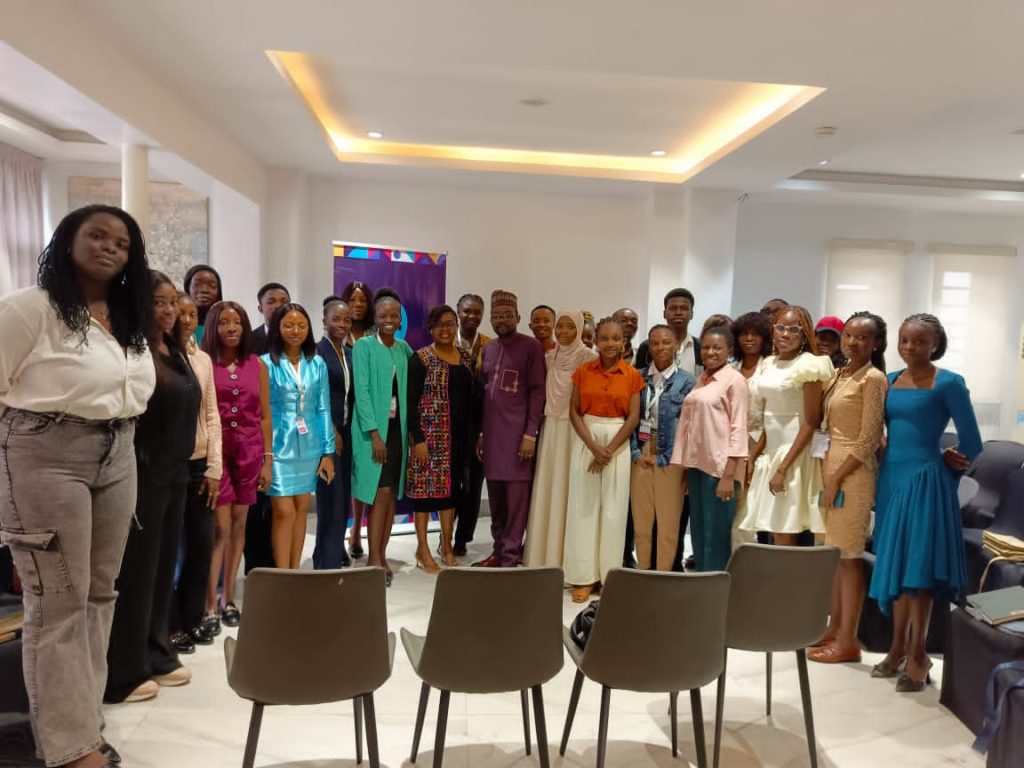
30 Future Fashion Leaders Graduate from Bridge Program Cohort 1 The Bridge Program, launched on August 31, 2024, celebrated the completion of its first cohort on October 12, 2024, leaving a lasting impact on the fashion industry by equipping 30 participants with cutting-edge skills in four pivotal tracks: Fashion Business Management, Fashion Business Intelligence, Apparel Production Management, and Apparel Retail and Merchandising. Over six weeks, the program provided an exceptional learning experience, led by 21 distinguished facilitators from Nigeria, the UK, and the US. Participants were immersed in a world of global insights, practical lessons, and hands-on field trips to industry leaders like KLO Fashion Manufacturing and Trax Apparel. The journey culminated in a grand Entrepreneurship Day held at Admire Wardrobe in Lagos. Here, participants showcased their expertise by presenting innovative case studies to a panel of industry leaders, including: Rhoda Aguonigho – Lhaude Africa Bernice Asein – Fashion Law Institute Chioma Ukpabi – SUWK Technologies Ezeoke Okechukwu – KLO Fashion Manufacturing The event also welcomed Professor Adebisi from the University of Lagos’ Entrepreneurship and Skills Development Centre, who emphasized the critical role of sustainable fashion businesses in shaping the future of the industry. Measurable Impact The program’s first cohort achieved remarkable success, with 25% of graduates securing internships and job placements in reputable fashion organizations within weeks of completion. A Vision for the Future The Bridge Program is not just a course; it’s a transformative journey committed to shaping future fashion leaders and fostering sustainable practices in the fashion industry. Do you dream of making your mark in fashion? Don’t miss your chance to join the next cohort. learn more and register now!
NAVIGATING INCOME POLICIES IN THE NIGERIAN FASHION INDUSTRY: INSIGHTS AND STRATEGIES FOR SUCCESS

Blog Posts April 23, 2024 NAVIGATING INCOME POLICIES IN THE NIGERIAN FASHION INDUSTRY: INSIGHTS AND STRATEGIES FOR SUCCESS Credit: veeteezy Introduction: In the world of the Nigerian fashion industry, understanding the intricacies of income policies is paramount for businesses seeking sustainable growth and profitability. From government regulations to economic factors and market trends, various elements shape income generation within the industry. In this article, we explore the multifaceted aspects of income policies and offer actionable insights for fashion entrepreneurs and stakeholders. Government Policies and Regulations: Government policies play a significant role in shaping the operating environment for businesses in the Nigerian fashion industry. From taxation policies to import/export regulations, trade agreements, and industry-specific legislation, policymakers wield considerable influence over income generation within the sector. For instance, recent changes in tax laws have implications for businesses’ profit margins and financial planning, while trade agreements impact the availability and cost of raw materials and finished goods. Impact of Policy Changes: Policy changes can have far-reaching effects on income generation within the Nigerian fashion industry. For example, shifts in import/export regulations may disrupt supply chains and affect production costs, while changes in taxation policies can impact businesses’ bottom line. Moreover, industry-specific legislation, such as standards for product labelling and safety, can influence consumer trust and purchasing decisions. By staying abreast of policy developments and understanding their implications, fashion businesses can adapt their strategies and mitigate potential risks. Economic Factors Influencing Income: The Nigerian fashion industry operates within a broader economic context shaped by various factors, including inflation, exchange rates, and economic downturns. Fluctuations in currency values, for instance, can impact the cost of imported materials and affect businesses’ pricing strategies. Similarly, periods of economic instability may lead to changes in consumer spending patterns, influencing demand for fashion products and services. By monitoring economic indicators and adapting their strategies accordingly, businesses can navigate economic challenges and capitalize on opportunities for income generation. Income Disparities and Social Inequality: Income disparities and social inequality pose significant challenges within the Nigerian fashion industry. Gender wage gaps, for example, persist across various sectors and roles, limiting economic opportunities for women in the workforce. Additionally, marginalized groups face barriers to entry and advancement within the industry, perpetuating social and economic inequalities. To address these issues, stakeholders must prioritize diversity, equity, and inclusion initiatives, fostering a more equitable and inclusive environment for all. Market Trends and Consumer Behavior: Understanding market trends and consumer behaviour is essential for fashion businesses seeking to optimize income generation. The rise of sustainable fashion, for instance, reflects a growing consumer preference for ethically produced and environmentally friendly products. Similarly, the increasing influence of social media on purchasing decisions underscores the importance of digital marketing and engagement strategies. By aligning their offerings with evolving consumer preferences and market trends, businesses can enhance their competitiveness and drive income growth. Technological Innovations and Income Generation: Technological innovations play a transformative role in income generation within the Nigerian fashion industry. E-commerce platforms and digital marketing tools offer businesses new avenues for reaching customers and driving sales. Data analytics enable targeted marketing campaigns and personalized customer experiences, enhancing sales conversion rates and customer loyalty. By embracing technology and innovation, fashion businesses can unlock new income streams and gain a competitive edge in the marketplace. Collaborations and Partnerships: Strategic collaborations and partnerships are essential for expanding market reach and driving income growth in the Nigerian fashion industry. From supplier relationships to brand collaborations and cross-industry partnerships, businesses can leverage synergies and collective strengths to achieve mutual goals. By forging strategic alliances with complementary businesses and stakeholders, fashion entrepreneurs can access new distribution channels, tap into new customer segments, and capitalize on shared resources and expertise. Future Outlook and Opportunities: Looking ahead, the Nigerian fashion industry presents a wealth of opportunities for income generation and growth. With the right strategies and mindset, businesses can navigate challenges and capitalize on emerging trends and market dynamics. By staying agile, innovative, and customer-centric, fashion entrepreneurs can position themselves for success in an increasingly competitive and dynamic industry landscape. Conclusion: In conclusion, navigating income policies in the Nigerian fashion industry requires a comprehensive understanding of government regulations, economic factors, market trends, and consumer behavior. By staying informed, adaptable, and forward-thinking, fashion businesses can optimize income generation, drive sustainable growth, and contribute to the industry’s continued evolution and success. NAVIGATING INCOME POLICIES IN THE NIGERIAN FASHION INDUSTRY: INSIGHTS AND STRATEGIES FOR SUCCESS Learn more THE FASHION LABOUR MARKET IN NIGERIA: A COMPREHENSIVE ANALYSIS OF EMPLOYMENT TRENDS Learn more
THE FASHION LABOUR MARKET IN NIGERIA: A COMPREHENSIVE ANALYSIS OF EMPLOYMENT TRENDS
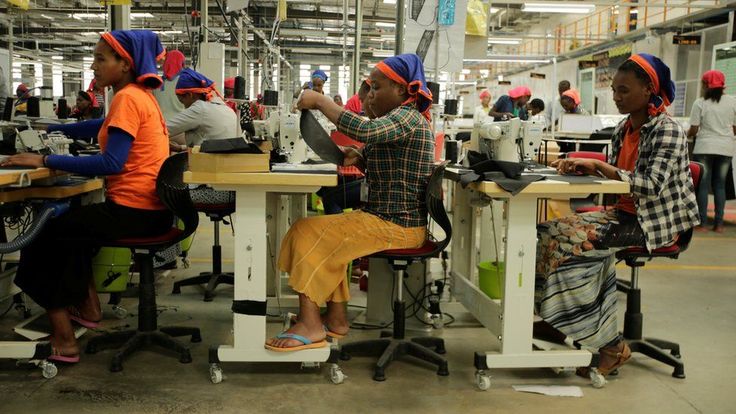
Blog Posts April 16, 2024 THE FASHION LABOUR MARKET IN NIGERIA: A COMPREHENSIVE ANALYSIS OF EMPLOYMENT TRENDS Credit: weforum.org According to The 2021 Creative Sector Report by Jobberman Nigeria, “The fashion market in Nigeria is also gaining momentum, accounting for 15% ($4.7 billion) of the Sub-Saharan fashion market. Revenue from textiles, apparel, and footwear has experienced consistent growth, averaging 17% since 2010. The industry has significant growth potential with increasing global recognition and demand for Nigerian fashion.” The fashion industry in Nigeria has witnessed remarkable growth in recent years, becoming a significant contributor to the country’s economy and offering employment opportunities to a diverse workforce. This detailed overview provides insights into employment within the Nigerian fashion labour market, highlighting key trends, challenges, and opportunities for individuals seeking employment in this dynamic sector. Overview of the Nigerian Fashion Industry The Nigerian fashion industry encompasses a range of activities, including clothing design, manufacturing, retail, marketing, and fashion-related services such as modelling, photography, and event management. With its vibrant cultural heritage, diverse fashion styles, and increasing consumer demand for trendy apparel, Nigeria’s fashion sector has emerged as a thriving hub for creativity, innovation, and entrepreneurship. Employment Opportunities in the Nigerian Fashion Sector Fashion Designers: Fashion designers play a central role, in creating unique clothing designs and collections tailored to consumer preferences. Employment opportunities exist for fashion designers across various segments, including haute couture, ready-to-wear, and traditional African attire. Garment Manufacturers: Garment manufacturing is a significant source of employment in the Nigerian fashion sector, with numerous small-scale and medium-scale enterprises producing clothing and accessories. Skilled workers, such as tailors, seamstresses, patternmakers, and embroiderers, are in demand to support manufacturing processes. Retail and Merchandising: Retail outlets, fashion boutiques, and e-commerce platforms majorly connect fashion consumers with products. Employment opportunities exist for sales associates, store managers, merchandisers, and marketing professionals who can promote and sell fashion products. Fashion Media and Marketing: The rise of digital media and social networking platforms has transformed the landscape of fashion marketing and branding. Employment opportunities abound for content creators, social media managers, fashion bloggers, influencers, and photographers who can create compelling visual content and engage with online audiences. Challenges in the Fashion Labour Market Skills Shortages: Despite the growing demand for skilled professionals in the fashion industry, there is a need for more talent with specialized skills in areas such as fashion design, garment construction, textile technology, and fashion merchandising. Addressing skills gaps through vocational training and education programs is essential to meet industry demand. Informal Employment: A significant portion of employment in the Nigerian fashion sector occurs in the informal economy, characterized by low wages, lack of job security, and limited access to social protections. Formalizing employment arrangements and providing support to small-scale fashion enterprises can improve working conditions and livelihoods for workers. Access to Markets: Small-scale fashion entrepreneurs often need help accessing local and international markets due to barriers such as limited market information, inadequate infrastructure, and high production costs. Supporting initiatives that promote market access, export promotion, and industry networking can create opportunities for growth and expansion. Opportunities for Career Advancement Skills Development Programs: Vocational training institutes, fashion schools, and skills development programs offer opportunities for aspiring fashion professionals to acquire industry-relevant skills and qualifications. Courses in fashion design, patternmaking, garment construction, and fashion business management can enhance employability and career prospects. Entrepreneurship Initiatives: Entrepreneurial individuals can explore opportunities to launch their fashion businesses, whether as independent designers, boutique owners, or online retailers. Access to startup incubators, business mentorship programs, and financial support schemes can help aspiring entrepreneurs turn their fashion ideas into successful ventures. Networking and Collaboration: Building professional networks and collaborations within the fashion industry can open doors to new opportunities for employment, partnerships, and collaborations. Participating in fashion events, trade fairs, and industry associations can provide exposure, visibility, and connections within the fashion community. Challenges and Constraints Informal Economy: Much of the fashion industry in Nigeria operates within the informal economy, characterized by informal employment arrangements, limited access to formal financing, and challenges with intellectual property protection. This informal nature of the industry poses challenges to employment data collection, regulation, and policy formulation. Skills Development: Despite the abundance of talent in the fashion industry, there is a need for continuous skills development and training to enhance the quality, competitiveness, and sustainability of the sector. Limited access to formal education and training programs and gaps in technical and business skills hinder the professional growth and advancement of individuals in the fashion labour market. Infrastructure and Logistics: Infrastructure challenges such as inadequate transportation, unreliable power supply, and limited access to technology and production facilities pose constraints for fashion businesses and workers in Nigeria. These challenges affect the industry’s productivity, efficiency, and competitiveness, limiting employment opportunities and economic growth. Policy Implications and Interventions Skills Development Programs: Government agencies, educational institutions, and industry associations can collaborate to develop vocational training programs, workshops, and apprenticeships that equip individuals with the technical, creative, and entrepreneurial skills needed to succeed in the fashion industry. Access to Finance: Improving access to formal financing mechanisms such as microfinance loans, grants, and venture capital can support the growth and expansion of fashion enterprises, enabling them to invest in infrastructure, equipment, technology, and human capital development. Infrastructure Development: Public and private sector investments in infrastructure projects such as transportation networks, power generation, and technology hubs can enhance the operational efficiency, productivity, and competitiveness of the fashion industry in Nigeria, creating more employment opportunities and driving economic growth. In conclusion, the Nigerian fashion labour market presents a wealth of employment opportunities for individuals with creativity, skills, and entrepreneurial drive. By addressing skills shortages, promoting formal employment, and supporting talent development initiatives, stakeholders can harness the potential of the fashion sector to drive economic growth, create jobs, and foster innovation in Nigeria. References: Okolo, C. (2020). “Fashion and Design in Nigeria: Emerging Talent and Trends.” Lagos, Nigeria: Farafina Books. Nigerian Bureau of Statistics (NBS). (2021). “Creative Industries Report: Fashion and Textile